
Ngoài một nghi ngờ hợp lý

.jpeg)


Language


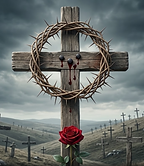


Is Easter Pagan
The Satanic Ritual of Sacrificing Children Every year, the priests of Ishtar would impregnate young virgins on an altar dedicated to herself and her husband*. The children were born on Christmas December 25, and the next year they were sacrificed on Easter Sunday at the sunrise service. The priests would take Ishtar's eggs and dye them in the blood of the sacrificed children.


lễ phục sinh ngoại đạo
Bài viết dưới đây dựa trên cuốn sách "Lịch sử Phục sinh - Ẩn giấu, Bí mật" của JR Terrier
Nguồn gốc và tôn giáo bí ẩn". Phần bổ sung của Alexander Light, HumansAreFree.com; Lễ Phục sinh là một lễ kỷ niệm hàng năm được quan sát trên khắp thế giới Cơ đốc giáo. Hoàn toàn không có câu nào trong Kinh thánh cho phép hoặc xác nhận việc tổ chức lễ Phục sinh. Hơn nữa, Kinh thánh nói không có gì về thực hành quan sát Mùa Chay, chết trứng Phục sinh, săn trứng Phục sinh, giỏ kẹo, mũ lưỡi trai – v.v.. Lễ Phục sinh từ lâu đã được biết đến là một lễ hội ngoại giáo. Những người sáng lập nước Mỹ đã biết điều này.
Nghi thức Satan hiến tế trẻ em
Hàng năm, các linh mục của Ishtar sẽ tẩm bổ cho các trinh nữ trẻ trên bàn thờ dành riêng cho cô ấy và chồng cô ấy*. Những đứa trẻ được sinh ra vào lễ Giáng sinh (!!!), và năm sau chúng bị hiến tế vào Chủ nhật của lễ Phục sinh tại buổi lễ mặt trời mọc. Các linh mục sẽ lấy trứng của Ishtar và nhuộm chúng trong máu của những đứa trẻ bị hiến tế.
Nhiều mâu thuẫn hơn
Tuy nhiên, lễ kỷ niệm Thứ Sáu Tuần Thánh truyền thống của chúng tôi chỉ tính đến việc Yeshua 'ở trong lòng trái đất trong hai đêm và một ngày. Là sự thật về cái chết của Yeshua?
chôn cất, và phục sinh cố tình bóp méo? Tìm hiểu xem ai không nói sự thật -- và tại sao!
Barns Group survey.
"Believers don't care what the truth Is, or care what Yehovah desires from us. We are afraid of looking into, it because it will draw a line in the sand, we know we don't want to make those decisions because at the end of the day, we want what we want, we are comfortable with our lives we are comfortable out traditions that are man-made.
But you have a thought that pops into your head that's not what it means to me. The issue is it doesn't matter to you it matters to Yehovah He is the one being worshiped."
The problem facing the church is not that people lack a complete set of beliefs the problem is that have a full state of beliefs in mind, which they think are consistent with biblical teachings, and they are neither open to being proven wrong nor learning new insights. The bottom line is among both clergy and laity was indifference toward their acknowledged lack of evaluation" Barrna

Heading 6
The Day "Christianity" Overtook Christianity (Constantine vs. Passover)
To help others understand this perspective, it is often most effective to move away from modern traditions and point directly to the Biblical standard for worship.
When people argue that "Easter is for Jesus," the response from this viewpoint is typically that the motive doesn't sanctify the method. Here are the four primary pillars used to explain why this holiday is seen as problematic from a strictly Biblical standpoint:
1. The Command Against "Syncretism"
The most direct Biblical argument is that God explicitly forbids mixing His worship with the customs of other gods.
-
Deuteronomy 12:30-31: God tells Israel not to ask, "How did these nations serve their gods? I will also do likewise." He says, "You shall not worship the Lord your God in that way."
-
The Point: Even if someone intends to honor the Resurrection, using symbols originally tied to fertility deities (like eggs and rabbits) is seen as "incorporating the abominable" into the holy.
2. The Origin of the Name
While most languages use a version of the word Pascha (Passover), the English name "Easter" has no Biblical root.
-
The History: It is widely accepted (even by the 8th-century monk Bede) that the name derives from Eostre (or Ostara), a Germanic goddess of spring and fertility.
-
The Argument: If God's name is to be hallowed and kept pure, using the name of a pagan deity to title the most important event in history (the Resurrection) is viewed as a form of spiritual "compromise."
3. "The Way of the Heathen"
Jeremiah 10:2 says, "Do not learn the way of the Gentiles." This perspective argues that "Easter" as we know it is a man-made tradition that replaced the God-ordained Passover.
-
Passover vs. Easter: Jesus is our Passover Lamb (1 Corinthians 5:7). The early church kept the Passover, not a "spring festival."
-
The Argument: By shifting the focus to "Easter Sunday" (a date determined by the equinox rather than the Biblical calendar), the specific timing and meaning God established for the Messiah's sacrifice is obscured.
4. The "Golden Calf" Principle
In Exodus 32, the Israelites built a golden calf and called it a "feast to the Lord." * The Result: Even though they claimed they were worshiping the true God, He was furious because they were using a pagan image to represent Him.
-
The Lesson: This suggests that God is not honored when we choose our own "traditions" of worship, especially those borrowed from cultures He told His people to remain separate from.